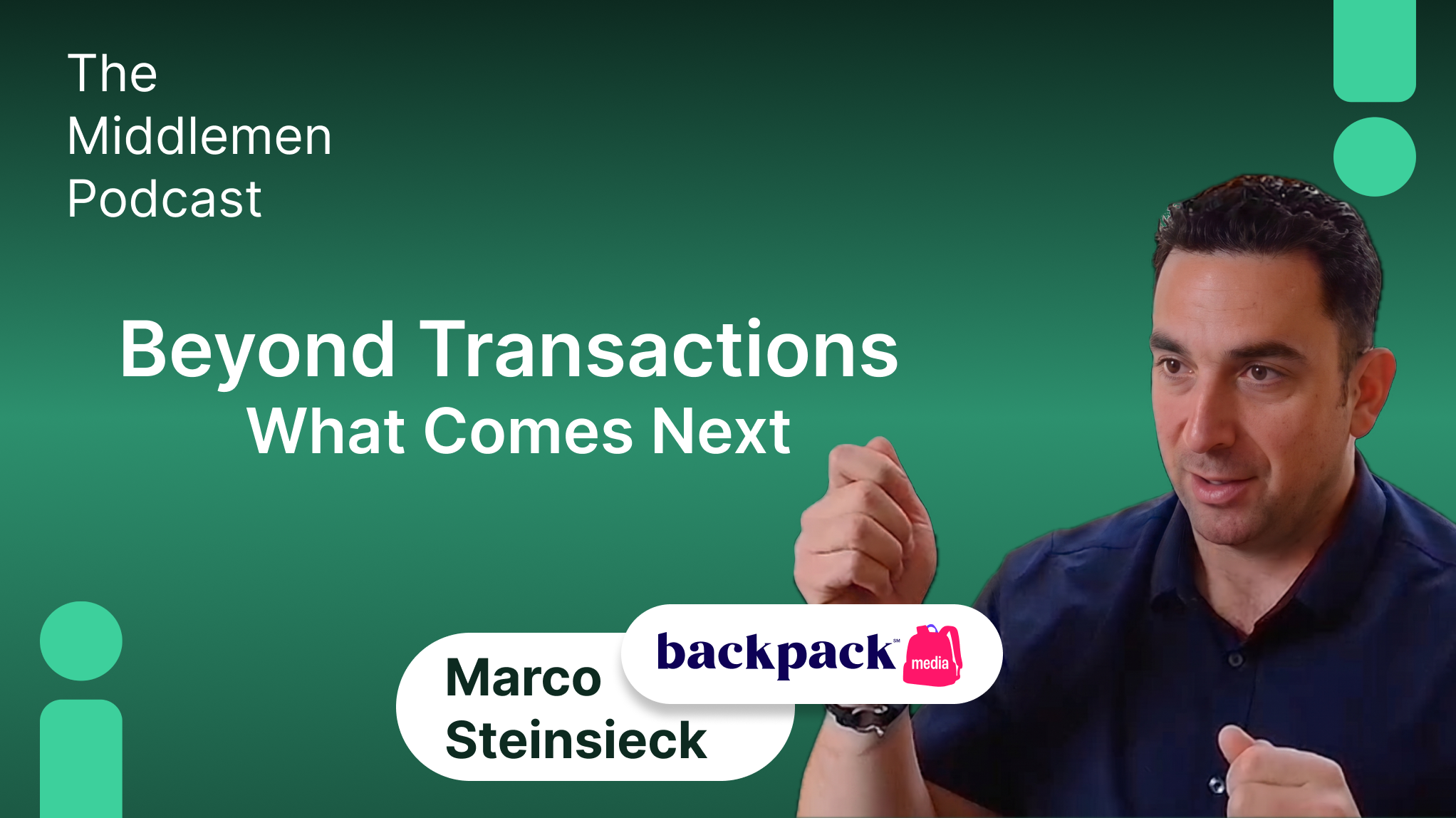
Marco Steinsieck’s career follows the evolution of retail media.
He started at Vistaprint, working on non-endemic partnerships before the term “retail media” was widely used—monetizing intent by connecting small business customers with adjacent services inside the conversion flow.
At Staples, he saw firsthand how fragmented the early retail media stack was. Sponsored products and display were sold and measured separately, often to the same brand. Bringing those pieces together under a unified model improved both performance and usability, and set the foundation for more coordinated, full-funnel campaigns.
At Sephora, the focus shifted from infrastructure to alignment. Retail media wasn’t just about monetizing placements—it had to reflect the core of the business. Sephora’s model is built on curation and merchandising, and the media strategy needed to support that. The result was a more integrated approach across onsite and offsite channels, and a business that became a meaningful contributor to e-commerce profitability.
Now at Backpack Media, the model changes again.
Instead of relying on past purchases, the focus is on non-transactional signals—specifically life-stage data. Moments like going to college, graduating, moving, or starting a first job represent high-intent windows that can be more predictive of future demand than historical transactions.
That shift requires a different way of thinking about audience creation, measurement, and go-to-market. It also introduces new constraints, particularly around privacy and operating within a financial services environment.
This conversation connects those stages—how retail media developed, where it works today, and how new data sources may expand what commerce media can become.
Learn more about Backpack by Sallie


We're here to explain the most confusing topics in retail media, ad tech, mar tech and e-Commerce.